how does a compressor work audio
In even more simple terms a compressor is basically an automatic volume control. A release time of a compressor means how quickly the compressor recovers after the signal falls below the threshold value.

Ws3gwvmmv29ypm
The goal is to create consistency through the entire piece youre working with to have a smooth listening experience.

. Ultimately though this is an audible effect and so only your ears are able to judge the effectiveness and appropriateness of your chosen. Most compressors include a meter to show the amount of gain reduction being applied at any moment and comparing this with the levels of the input and output signals can be very instructive in understanding what each control does. The audio compressor unit can then boost the overall level of this compressed signal.
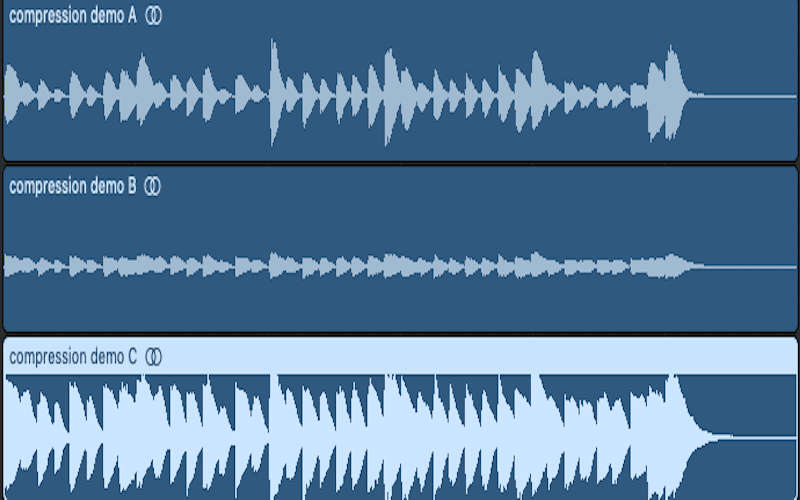
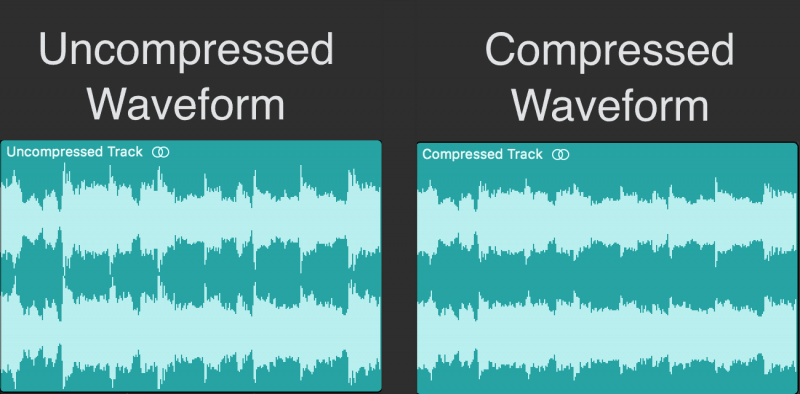
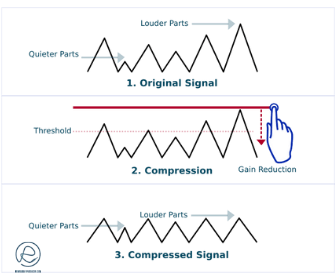
Basically compression reduces the dynamic range of your recording by bringing down the level of the loudest parts meaning the loud and quiet parts are now closer together in volume and the natural volume variations are less obvious. When the signal gets too loud the compressor turns it down. Using your example if the floor tom in the left channel exceeds the threshold only the left channel compressor with activate.
The range between the quietest and loudest parts. The slower the release time is set on the compressor. A compressor whether a physical piece of outboard hardware or a plugin for your DAW Digital Audio Workstation.
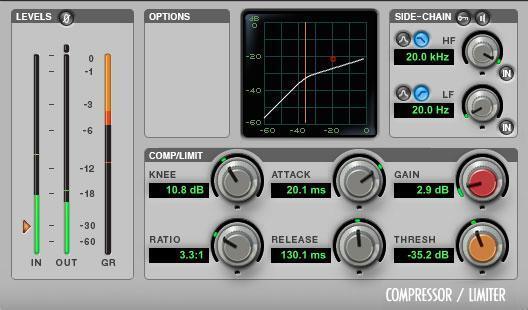
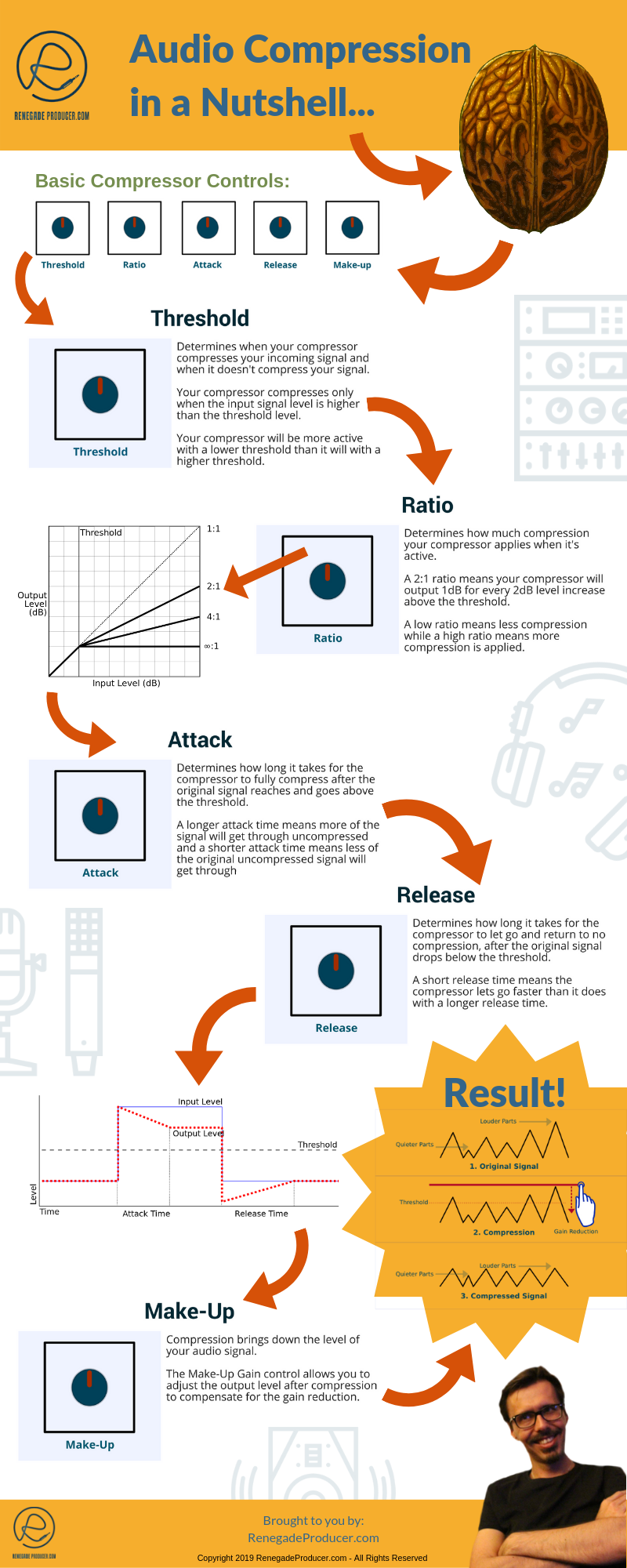
This is done by boosting the quieter signals and attenuating the louder signals. This ultimately allows for the player or. An attack time of a compressor means how quickly or slowly it starts to work concerning the transient of the audio sourceThe quicker an attack is set the sooner it compresses the transient of a note.
A compressor provides automatic control over the level of an audio signal often resulting in a more even controlled sound. Compression is the process of lessening the dynamic range between the loudest and quietest parts of an audio signal. This can be done to make quieter sounds louder and more audible or vice versa.
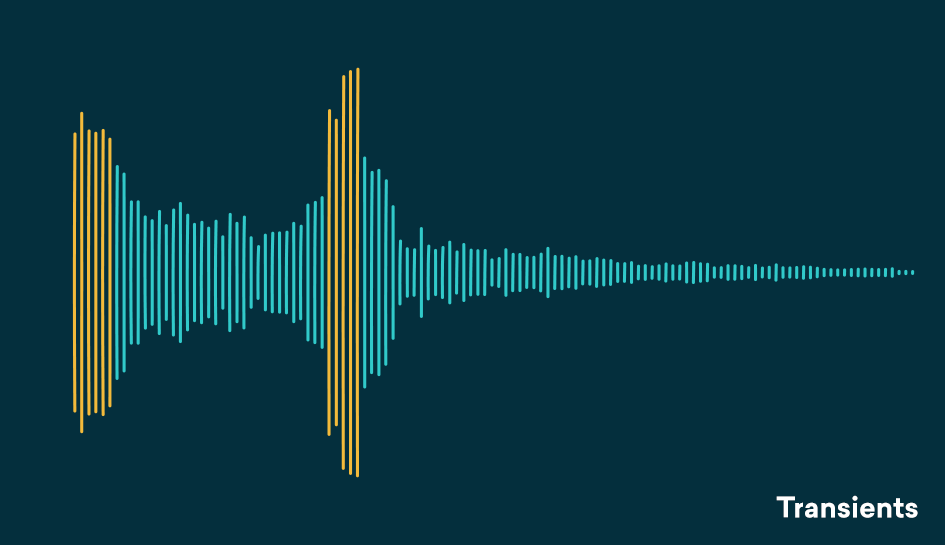
What a compressor does is take an audio wave analyze its peaks and valleys and cut those high points at a certain level. Figure 1 - Graph showing different ratios and how it produces a different output. It just sounds artificial.
This is so both sides will react the exact same way to the audio input. Well in a similar way if the compressor is too fast at turning the volume control back up again you can hear it working the audible effect is known as pumping. Some compressors have more advanced settings than this but these are generally unique to the compressor.
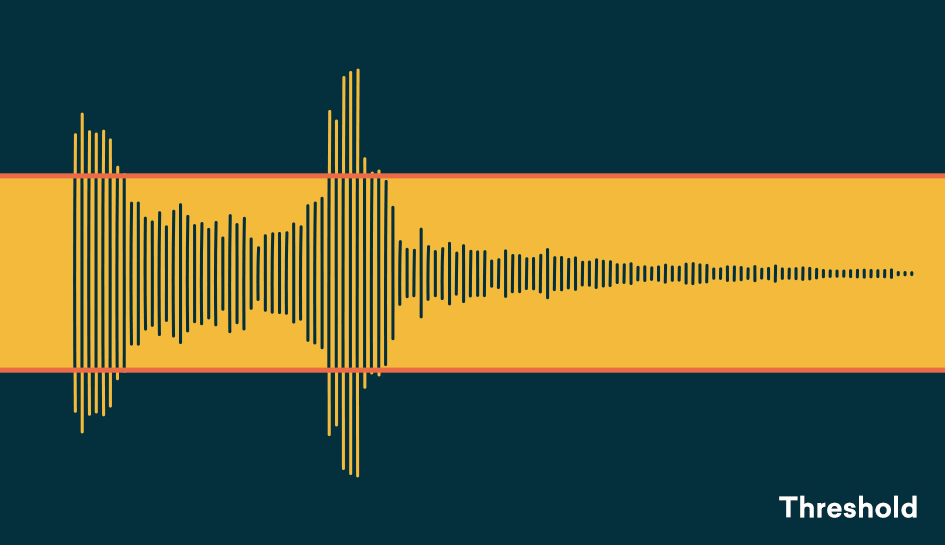
The core of most modern recording studios consists of 6 basic controls that work together to control the dynamics of a signal. Threshold - how loud the signal has to be before compression is applied. After that turn down the volume by X depending on the ratio It sounds like a nice bonus feature to be able to control this but the attack has a big.
A compressor reduces the dynamic range of a sound. So the Release control adjusts the speed at which the compressor recovers after yanking down the volume. Audio compression is the process of reducing the dynamic range in an audio signal.
Same goes for the guitar in the right channel. Essentially this all boils down to shrinking the gap between the loudest and quietest parts of an audio signal. Threshold The Threshold is the point at which compression begins.
Compressor Controls Lets look at some of the parameters used to control audio compression. A common use for this is when vocals are too quiet so a compressor may bring them up as well as control any background noise that might drown out the vocalists voice. Compression is commonly used to attenuate loud transient peaks eg when a singer suddenly belts out a high note to help maintain a consistent level.
A compressor is used to reduce a signals dynamic rangethat is to reduce the difference in level between the loudest and quietest parts of an audio signal. Compressors in audio are tools that work with the dynamic range of the signal. With the Attack you control how fast the compressor starts working after the audio has passed the threshold.
By chopping the highest volume parts of a signal you end up with less range in volume between the quieter parts and the louder ones. So basically you say to the compressor if the sound goes over the threshold do nothing during the first few milliseconds. An audio compressor is a device that creates a more leveled tone to your sound by amplifying the audio in some places normalizing it in others and toning down the loud bits.
When we discuss compression in music we are talking about dynamic range compression. The controls you are given to set up a compressor are usually. When two compressors are set up as mono channels they will each respond independently of the other.
When an audio signal is below the threshold no compression takes.
How To Choose The Perfect Compressor Settings Every Time Soundfly

Audio Compressor Ratio Explained Icon Collective College Of Music
A Beginner S Guide To Audio Compression
How To Choose The Perfect Compressor Settings Every Time Soundfly
Part 1 Audio Compressor What Is It And How Does It Work

What Is Audio Compression Mastering The Mix
Audio Compressor Music Compressor Music Gateway

What Is An Audio Compressor And How Does It Work Audio Mentor

What Is Audio Compression Mastering The Mix

Audio Compressor Ratio Explained Icon Collective College Of Music
Dynamic Range Compression How To Use Compression

The Audio Compressor What It Is And Why It Is Used
Audio Compression Techniques For Music Producers

Audio Compression Explained How It Works And When To Use It Musicians Hq
Audio Compression Explained In 3 Minutes Youtube

What Is Audio Compression Mastering The Mix
Audio Compression Techniques For Music Producers
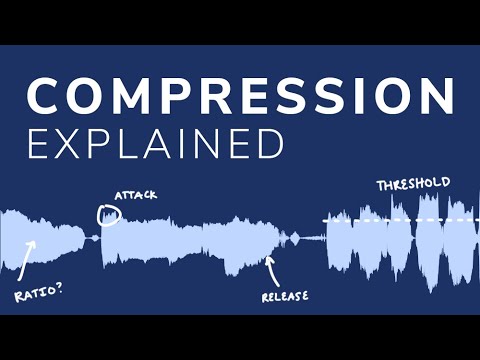
How To Use Compression Detailed Tutorial Youtube

Part 1 Audio Compressor What Is It And How Does It Work